

Browns’ decision to bench Shedeur Sanders on crucial play ‘coaching failure,’ ex-NFL star says
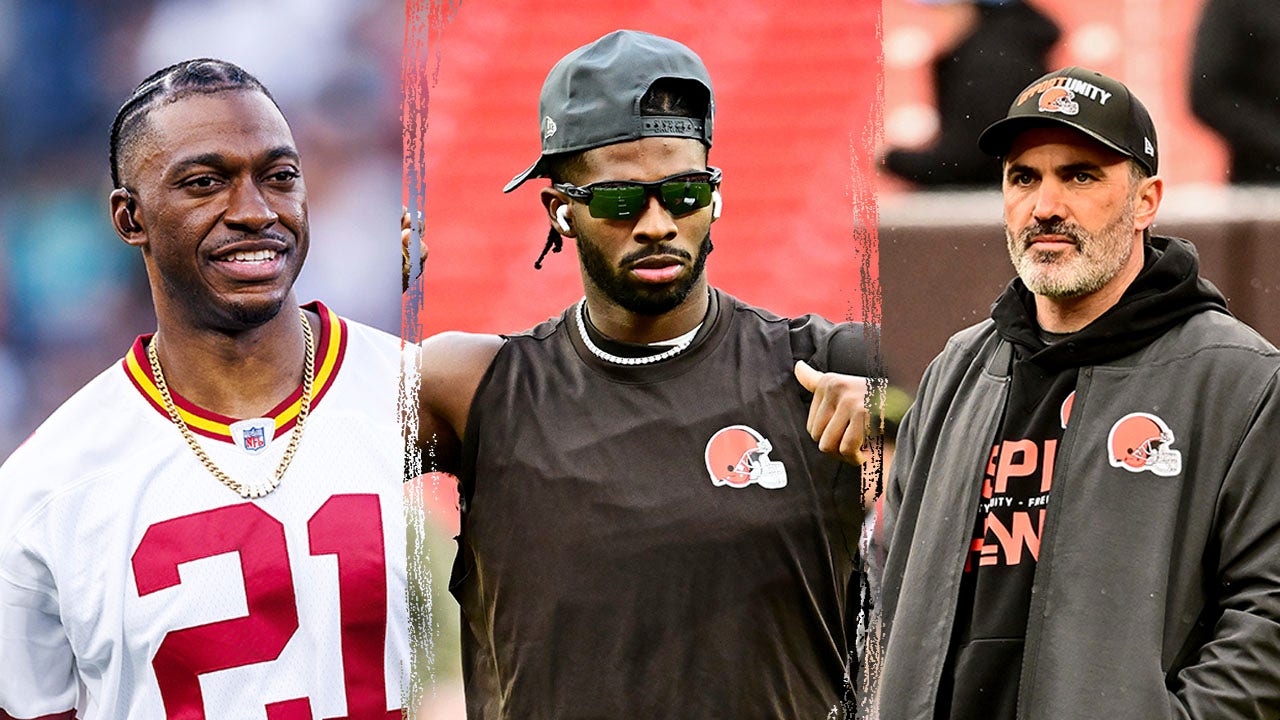
Robert Griffin III, former NFL quarterback and current ESPN analyst, made headlines recently when he publicly criticized the coaching decisions of the Cleveland Browns. The controversy arose after rookie quarterback Shedeur Sanders was benched for a crucial two-point try despite his impressive four-touchdown performance in a recent game.
Griffin, who knows a thing or two about the pressures and expectations of being a rookie quarterback in the NFL, did not hold back in his criticism of the Browns coaching staff. In a fiery post-game analysis on ESPN, Griffin slammed the decision to bench Sanders, calling it “short-sighted” and “detrimental to the development of a young player.”
The Browns, who have been struggling to find consistency at the quarterback position for years, have been under intense scrutiny this season for their handling of Sanders. The son of NFL Hall of Famer Deion Sanders, Shedeur was drafted in the first round by the Browns and was expected to be the franchise quarterback for years to come. However, with the team’s recent struggles and injuries to key players, the coaching staff has been under pressure to produce results.
Despite his impressive performance in the game, Sanders was benched in favor of a veteran backup quarterback for the crucial two-point try late in the fourth quarter. The decision backfired, as the Browns failed to convert the two-point attempt and ultimately lost the game. This move drew immediate criticism from fans, analysts, and former players like Griffin, who questioned the logic behind benching a hot-handed rookie in favor of a more experienced but less dynamic player.
Griffin’s comments sparked a debate among football fans and analysts about the proper way to develop young quarterbacks in the NFL. Some argued that the Browns were right to prioritize winning in the short term over the long-term development of Sanders, while others believed that benching a rookie after such a strong performance could have a negative impact on his confidence and growth as a player.
As a former NFL quarterback who experienced his fair share of ups and downs in his career, Griffin knows firsthand the importance of having the support and trust of the coaching staff. He has been vocal in the past about the challenges facing young quarterbacks in the league and has used his platform as an analyst to advocate for better treatment of rookies.
In his analysis of the Browns’ decision to bench Sanders, Griffin highlighted the need for coaches to have patience and faith in their young players. He emphasized the importance of allowing rookies to learn from their mistakes and grow through experience, rather than constantly second-guessing their abilities and decisions.
Griffin’s criticism of the Browns coaching staff did not go unnoticed, as the team’s head coach and general manager were forced to address the situation in press conferences following the game. They defended their decision to bench Sanders, citing a lack of confidence in his ability to make the right play in a high-pressure situation.
However, the backlash from fans and the media continued to grow, with many calling for the Browns to reconsider their approach to developing young quarterbacks. The team’s struggles on the field only added fuel to the fire, as the decision to bench Sanders was seen as a microcosm of the larger issues plaguing the organization.
In the days following the game, Griffin continued to speak out about the importance of supporting young quarterbacks and allowing them to learn and grow through experience. He used his platform on ESPN to advocate for a more patient and nurturing approach to developing rookie quarterbacks in the NFL, pointing to his own experiences as a cautionary tale of what can happen when young players are not given the proper support and guidance.
As the controversy surrounding the Browns’ handling of Shedeur Sanders continued to dominate headlines, Griffin’s comments resonated with fans and analysts alike. Many praised him for speaking out against what they saw as a misguided decision by the coaching staff, while others criticized him for potentially undermining the authority of the team’s leadership.
Despite the backlash, Griffin remained steadfast in his belief that the Browns had made a mistake in benching Sanders and that it was important for the coaching staff to acknowledge and learn from their errors. He called for a more open dialogue between players, coaches, and front office personnel to ensure that young quarterbacks are given the best chance to succeed in the NFL.
In the weeks that followed, the Browns continued to struggle on the field, with their quarterback situation remaining a point of contention among fans and analysts. Shedeur Sanders, who had shown flashes of brilliance in his limited playing time, was eventually given another opportunity to start for the team. However, the damage had been done, and many questioned whether the coaching staff’s mishandling of the situation had irreparably harmed Sanders’ development as a player.
As the season drew to a close, the Browns faced a critical offseason in which they would need to make important decisions about the future of their quarterback position. The controversy surrounding Shedeur Sanders and Robert Griffin III’s criticism of the coaching staff had cast a shadow over the organization, raising questions about their ability to develop and nurture young talent in the NFL.
In the end, the Browns’ struggles on the field and their mishandling of Shedeur Sanders served as a cautionary tale for other teams in the league. The importance of patience, trust, and support for young quarterbacks was once again underscored by the events that unfolded in Cleveland, as Robert Griffin III’s criticism of the coaching staff sparked a larger conversation about the challenges facing rookie players in the NFL.
As the dust settled on the controversy, Griffin’s comments were seen as a reminder of the importance of leadership, communication, and trust within a football team. His willingness to speak out against what he saw as a mistake by the Browns coaching staff demonstrated his commitment to supporting and advocating for young players in the league, even at the risk of facing criticism and backlash from fans and media.
In the end, Robert Griffin III’s criticism of the Cleveland Browns coaching staff served as a wake-up call for the organization and the NFL as a whole. It highlighted the challenges facing young quarterbacks in the league and the importance of providing them with the support and guidance they need to succeed. Griffin’s words may have sparked controversy, but they also sparked a larger conversation about the proper way to develop and nurture young talent in the NFL.
Source: Fox News




















 LIVE
LIVE LIVE
LIVE


